


For over a century, chlorine has been used as a water purification agent for swimming pools. While it does clean the water to some extent, there are plenty of drawbacks it leaves behind. This includes a harmful disinfection byproducts, peculiar odor, and more. It causes skin irritation and itching and may also irritate lungs and sinuses. After all, it is a halogen which is chemically aggressive, damaging to metals, rubber, and some plastics.
Modern pool owners are increasingly looking for a natural alternative to pool chlorine that delivers safe and effective water sanitation without harsh chemicals. A well-designed chlorine free pool system allows homeowners to enjoy a swimming pool without chlorine while maintaining crystal clear water and protecting swimmers from irritation caused by chemical disinfectants.
What if there is a more natural alternative available? We are sure most people would prefer natural purifiers over chemicals. Also, in this case, there are no drawbacks. Intec America offers you this chlorine free pool system, which is absolutely clean and safe. Our technology is designed to create reliable chemical free pool systems that replace traditional chlorine sanitation with natural copper ionization. This makes it possible to maintain a no chlorine pool system that is both eco-friendly and safe for families.
We use a NASA-developed technology called COPPER IONIZATION, and have successfully offered our water purification services to our customers for various purposes from swimming pools, cooling towers, and the treatment of cation paint systems.
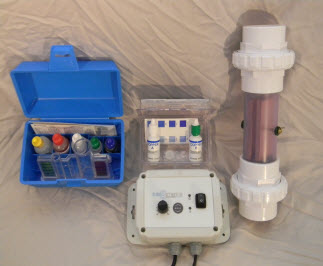
Unlike traditional chemical methods, our solution is part of advanced non chlorine pool systems designed to create healthier swimming environments. Using a specialized chlorine free pool ionizer, the system releases safe levels of natural copper ions into the water, which effectively control bacteria and algae without the need of chlorine. This makes your pool not only safer for swimmers but also easier to maintain and more eco-friendly. These advanced systems are also referred to as cl free pool system because they eliminate the dependency on chlorine while still maintaining effective sanitation and long-lasting water clarity.
What is a Chlorine free Pool?
Although chlorine has been used for years in water treatment processes, it does have certain drawbacks. While chlorine does sanitize the water and reduces the potential of bacteria and algae growth, there has been a need to seek non chlorine pool systems due to certain health conditions it can aggravate.
This is why many homeowners are now choosing chemical free pool systems that rely on mineral purification instead of chemical disinfectants.
Chlorine Free Swimming Pool Solutions

Chlorine free swimming pool sanitation, without the use of chemicals, sounds appealing, yet farfetched. In some cases, bromine has been used as a chlorine alternative for pools. It is similar to chlorine in many ways , but more expensive to maintain. Ozonation, U/V light, and mineralizers offer many benefits. However, their inability to provide a lasting sanitation residual would still require the use of low levels of chlorine. There was a need to develop a better no chlorine pool system. Recent advancements in technology utilizing natural elements provided a healthy alternative using the ionization concept. This technology is now commercially available and affordable to any end user.
Thanks to advancements in mineral-based purification technology, modern chlorine free pool system solutions allow homeowners to safely maintain a swimming pool without chlorine while still achieving effective sanitation and algae control.
It is imperative that these non chemical pools should be clean and free of germs. Also, the chemicals used in the water should not attack and remove the protective oils on our skin. Thanks to the technology we developed, it has been possible for us to realize this idea. Our Chlorine Free Pool Ionizer using copper technology is a safe and proven alternative for a non chlorine pool. This innovative approach provides an efficient no chlorine pool system that helps reduce chemical exposure while delivering consistent water quality for residential and commercial pools.
How Do Chlorine Free Pools Work?
Chlorine free pool systems work by replacing harsh chemicals with natural purification methods such as copper ionization. A properly designed chlorine free pool system works by replacing chemical disinfectants with mineral-based sanitation. Unlike ozone or UV systems that require backup chemicals, ionization creates a lasting residual effect, keeping the pool safe and clear. Copper ionization releases controlled copper ions that destroy algae and bacteria, creating a safe swimming pool without chlorine while maintaining balanced and clear pool water.
This means you enjoy a chlorine free swimming pool that is gentle on skin and eyes, environmentally friendly, and simple to maintain, all while delivering the same or better water quality than traditional chlorine pools.
Why Should You Consider a Chlorine Free Pool?
Although chlorine has been used for years in water treatment processes, it does have certain drawbacks. While chlorine does sanitize the water and prevents most biological growth, there has been a need to seek chlorine free pool systems due to the following drawbacks:
- It causes reddening / irritation of the skin and eyes.
- If the proportion of chlorine is above desired levels, it could be toxic for humans and pets.
- Some individuals are sensitive to chlorine and may develop allergies.
- It could dry out skin, hair, and nail cuticles.
- Some swimmers are sensitive to chlorine and/or its byproducts and develop symptoms such as breathlessness, nausea, and persistent cough.
Beyond reducing health risks, chlorine free swimming pools also deliver long-term savings by reducing the ongoing cost of chemicals and frequent water treatments. They are more environmentally friendly, protecting landscaping and local ecosystems, and provide a more enjoyable swimming experience with crystal-clear water that feels softer and fresher, without the harsh chlorine smell. Because of these benefits, many homeowners now prefer chemical free pool systems as a healthier and more sustainable option compared to traditional chlorine pools.
How to prevent a chlorine allergy?
Hypersensitivity, reactions, and chlorine allergies are often used interchangeably. The medical field does not recognize “chlorine allergy” as a disease, but there is sufficient evidence that chlorine causes irritations or reactions in some people ranging from moderate to severe.
Below are some suggestions for those sensitive to chlorine:
- Ensure swimming pool chemistry is properly balanced.
- Rinse after swimming to remove chlorine residuals on your body.
- Use moisturizers before entering the pool to protect skin.
- Avoid pools with pungent odors, as high chloramine levels may aggravate symptoms.
- Ear plugs and googles are beneficial to those that have ear issues or sensitive eyes.
- Always check with your doctor about any recurring symptoms.
- Avoidance is truly the best way. Switching to a CHLORINE FREE SWIMMING POOL eliminates the risk.
For individuals sensitive to chemicals, installing a natural alternative to pool chlorine such as copper ionizers can dramatically improve comfort and reduce irritation.
How to Maintain a Chlorine free Pool?
Here are a few pointers which tell you how to maintain your pool using copper ionization:
- Copper ionization is a revolutionary technology, creating a no chemical swimming pool with fresh, clear water. But, it is different from chemical-free pool filter systems or bio filters.
- Routine care of a cl free pool system is generally simpler than traditional chlorine pools because fewer chemicals are required and water balance remains more stable.
- An ionized pool is easy to maintain.
- Install a copper electrode between the pool filter and heater.
- Copper ionization is compatible with any type of filter that removes suspended matter and prevents cloudy water.
- Copper acts as a deterrent for algae and biological growth. In addition, copper has many health benefits for humans.
- Maintain the pH between 7 and 7.4 using a mild acid and base (such as baking soda).
- Run your pool recirculation system as normal and operate the ionizer as needed. The ideal range is 0.4 – 0.6 ppm which is less that half the EPA limits for drinking water standards.
- You can do this once a week or run the system on a timer for a few hours a day.
- Use a filter aid, such as a clarifier or mild oxidant, as needed.
Applications of Chlorine Free Pool Systems
Here are some application areas of chlorine free pools system:
- Swimming pools
- Artificial ponds
- Spas
- Jacuzzis
These applications demonstrate how modern no chlorine pool system solutions can be used across residential pools, commercial spas, wellness facilities, and eco-friendly resorts seeking safer water treatment methods.
These systems are ideal not only for homeowners who want a family-friendly, chemical-free pool but also for pool builders and service professionals looking to offer clients a safer, eco-conscious alternative. Chlorine free pool systems are also well-suited for health-conscious communities, resorts, and wellness facilities where guest safety and comfort are top priorities.
Chlorine free pool systems represent one of the fastest growing trends in modern pool sanitation. These systems offer a natural alternative to pool chlorine by using mineral ionization technology that helps control algae and bacteria without chemical disinfectants. By installing a chlorine free pool system, homeowners can maintain a swimming pool without chlorine while reducing chemical exposure, maintenance costs, and environmental impact.
FAQs
Q. Can chlorine free pool systems be installed in existing pools?
A. Yes. Chlorine free pool ionizers can be retrofitted into most existing pool systems, so you don’t need to build a new pool to enjoy chemical-free swimming.
Q. Do chlorine free pools require less maintenance?
A. Yes. While basic maintenance like pH balance and filtration are still required, you won’t need constant chemical testing, dosing, or rebalancing like with chlorine.
Q. How cost-effective are chlorine free pool systems long-term?
A. While the initial installation may be slightly higher, homeowners save significantly over time by reducing chemical purchases, balancing agents, and ongoing treatment costs.