

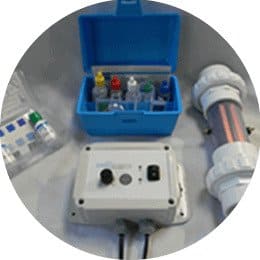
CV50 Pool Ionizer
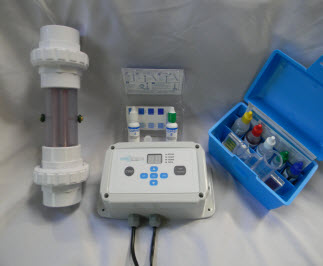
The CV50 is designed for volumes of 250 – 40,000 gallons of water and is the most popular model for residential swimming pools and spas.


a water treatment system specific to your needs
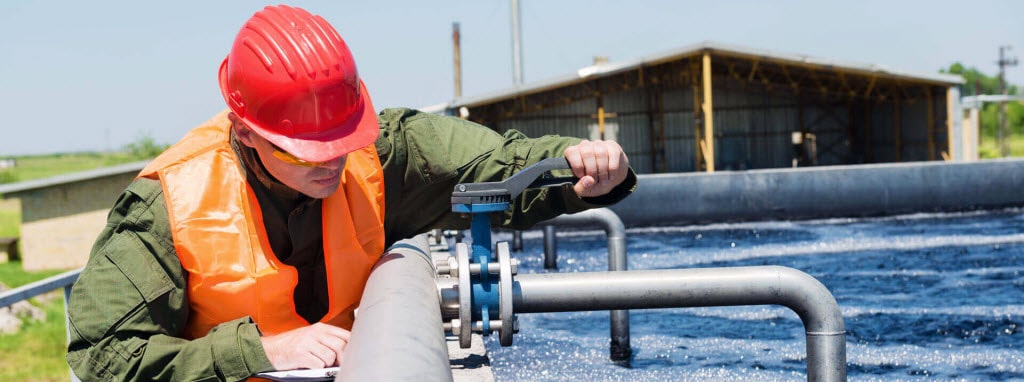
A water treatment system specific to your needs
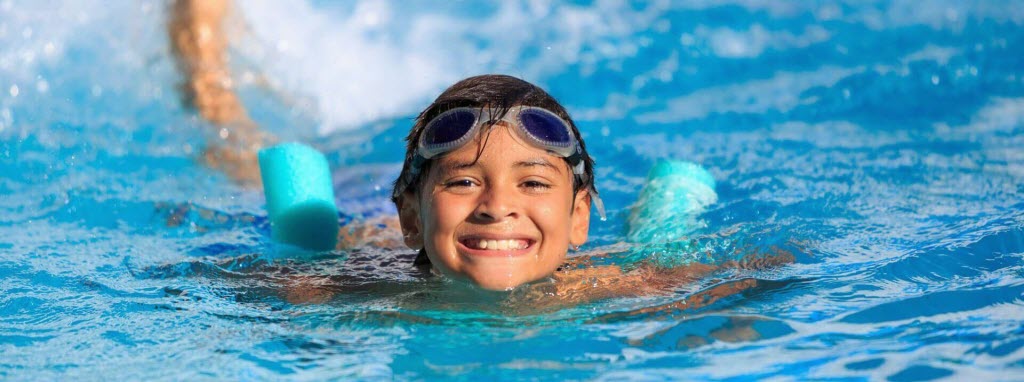
Copper Ionization is chlorine and chemical free
The CV50 is designed for volumes of 250 – 40,000 gallons of water and is the most popular model for residential swimming pools and spas.
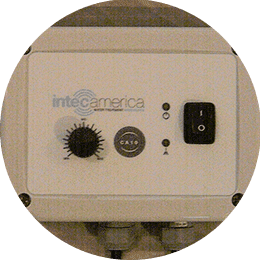
New for 2020, the CA10 was designed specifically for above ground pools and smaller inground pools.
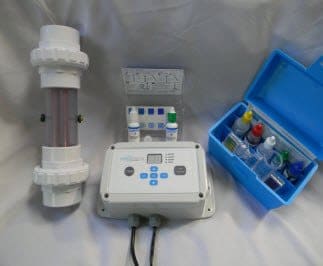
The CV60 professional series is designed for volumes of 5,000 – 50,000 gallons of water and is the latest model.
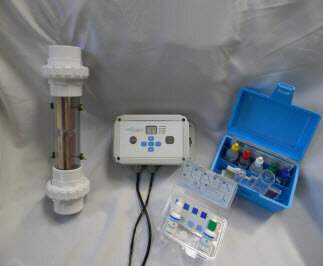
This CV60 comes with our commercial double electrode and is designed for pools of 50,000-100,000 gallons of water. With an option extra commercial electrode, this system can handle pool volumes of 170,000 gallons of water.
| Features | CA10 | CV50 | CV60 | CV60-C |
|---|---|---|---|---|
| Pool Size <10000 | ✓ | |||
| 10000-40000 | ✓ | ✓ | ||
| 40000-60000 | ✓ | |||
| 60000-120000 | ✓ | |||
| >240,000 Custom Quote | ✓ | |||
| Adjustable Output | ✓ | ✓ | ✓ | ✓ |
| Push Button Control | ✓ | ✓ | ||
| Manully Operated | ✓ | ✓ | ✓ | ✓ |
| Activated by Water Flow | ✓ | ✓ | ||
| Weather Resistant | ✓ | ✓ | ✓ | ✓ |
| Enhance Water Proofing | ✓ | ✓ | ||
| Digital Display | ✓ | ✓ | ||
| Error Alerts | ✓ | ✓ | ||
| Test Kit Included | ✓ | ✓ | ✓ | ✓ |
| Shop Now Here |
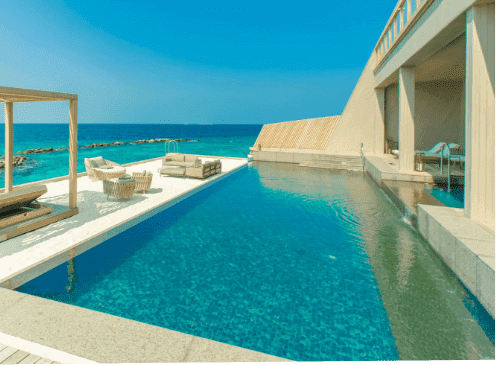

Have you ever imagined what it would feel like to swim in a chemical free pool? Does a pool that is chlorine-free sound too good to be true? Could you ever imagine not spending all that money on chlorine, algaecides, shock, and cyanuric acid

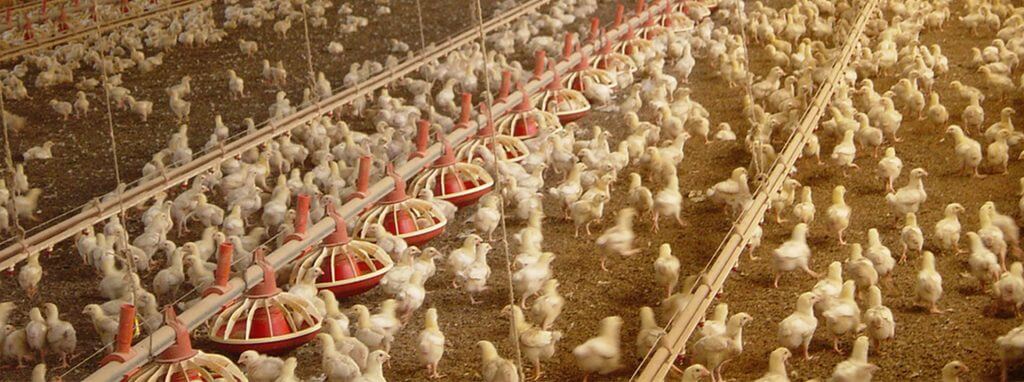
Water sources available to livestock have been identified as important biosecurity and agroterrorism concerns. Many foodborne pathogens can be spread throughout the flock via the drinking water.
Intec offers a vast array of technologies for the treatment of residential water. Intec will consult with and address your needs and wants.
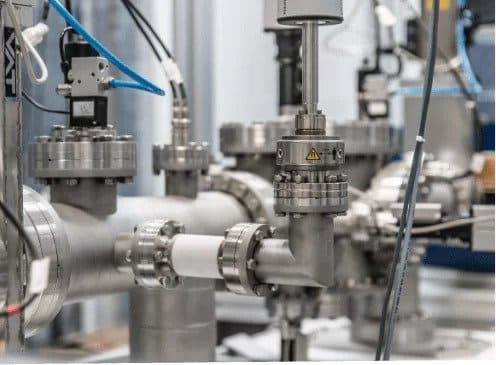
Intec works with several OEMs and can have a custom built water treatment system to suit your needs. Filtration, softening, and reverse osmosis are just a few of the technologies that we offer and we can have skid mounted systems shipped anywhere in the world.
Intec has the team in place to assist in non-traditional water treatment projects. We have assisted in designing systems ranging from portable water treatment systems, cooling towers applications, agricultural, and pharmaceutical applications.





Intec was the first to commercialize the NASA related research on the ionization technology

Ionization is least expensive alternative for maintaining your pool or spa.

Ionization is chemical free and chlorine free. Intec offers many technologies that are healthier for your family and better for the environment.
Intec has been offering new and innovative technologies to market for over 45 years.
Are you ready for a Quote on your Project? Please fill out the following fields to request a quote, get more information or submit a testimonial..