


Developed by NASA
Intec was the first to commercialize the NASA related research on the ionization technology

Access to clean water is a basic goal for human rights activists. With limited resources of water and a burgeoning population across the globe, we need to make the existing water potable and use it sensibly. Intec America has pioneered this cause and offers solutions to address issues such as chemical/chlorine removal, hardness, acidic water, nitrates/sulfates, arsenic, radon, hydrogen sulfide, high salt content, and even pathogen control. Intec America has set a standard for water treatment systems in terms of safety, eco-friendly options, minimal or no use of chemicals, and innovative purification offerings. We have now expanded in almost all spheres of water treatment including residential water treatment and offer a variety of technologies. Whether your water is being supplied from a municipality, community system, private well, or surface water, our team will consult with you and address your needs. Intec America was the first company to commercialize the NASA developed copper ionization water treatment technology for commercial and residential water treatment applications.
A water treatment system is often used to improve the water quality for a residence. It is a complete solution and is not just restricted to a single technology. The type of treatment technology depends on the water’s impurities and your requirements. For instance, well water may have high iron content that stains laundry and fixtures and is also contaminated with E. coli. This may be best addressed with ozonation and filtration. Municipal water may have high hardness leaving spots on dishes and the walls of showers. This could best be addressed with a water softener and perhaps an under-the-sink reverse osmosis for drinking and cooking water to remove chlorine. Other add-ons or modifications may be suggested to address chemicals, lead, nitrates, odors, high salt levels, or smaller particulate matter. So, a complete system or a solution goes way beyond just a piece of equipment and each end-user may have different needs requiring customized options.
Typically, residential water treatment systems focus on improving the aesthetics, controlling the aggressiveness, and ensuring the disinfection of the incoming water. The solution may require 3 or more steps — filtering, softening, and disinfection for example. Filtration is usually first to remove chemicals and suspended matter that effects other technologies downstream. Water softeners are usually installed next in line to soften the water by removing minerals and metals that may cause stains and clog showerheads. Disinfection is usually last which eliminates the germs that might cause one to become sick. Our systems come with various capabilities depending upon your requirement, such as remote water testing/monitoring, ultra-pure water via reverse osmosis, iron removal, pH adjustment, and so on.
At Intec, we offer the following types of residential water filtration systems:
Choosing the right water treatment system will be based on your daily usage requirements, water source, contaminant type and level, installation location, accessibility to electrical and water source, environmental impact concerns, and the overall quality of water you seek. Here are some pointers which may help.
Intec America is a pioneer on water purification and has experience with the most innovative technologies available today. We will address any questions you may have about water purification and offer solutions that can help them. Aside from this, if you have any specific questions or need any further information on this topic, you can reach us on phone or email.
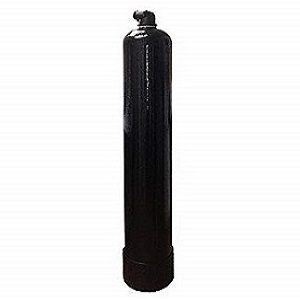
pH neutralizing filters are devices that are raised to increase the pH value of drinking water to around 7. This helps reduce plumbing or corrosion problem
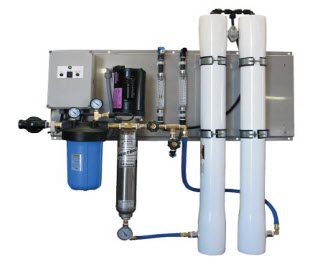
Access to clean and pure water is a right of every human on the earth. There may be abundant water sources around you, including well water, ponds, streams, rivers, and other water bodies. However, water from these sour
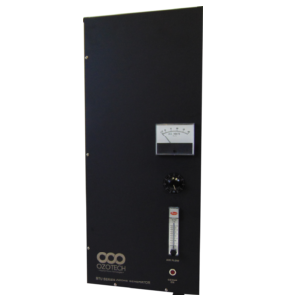
The access to clean drinking water is an essential requirement across the world. This can only be achieved when you have access to a reliable sanitation system. Sanitation systems for water treatment is a method of controlling or e
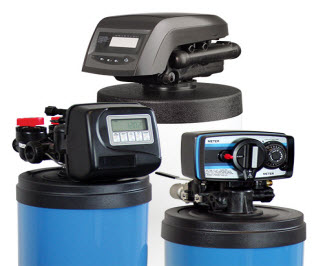
Clean water is not easily available in nature. Water undergoes several stages of treatment before it becomes a usable product. In nature, it is often found in a complex state, with several minerals. Many of these minerals alter the
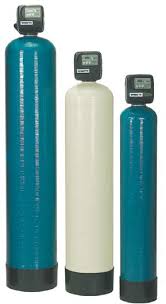
Water filtration is the process of making water pass through a physical barrier to capture or reduce impurities. This is a simple explanation which could be a very complicated process depending on the type of filter used. There are

Well water is a type of groundwater used as a source of water for drinking, irrigation, and other purposes. Well water is important for several reasons. First, it is not treated with chemicals, which can be beneficial f



Intec was the first to commercialize the NASA related research on the ionization technology

Ionization is least expensive alternative for maintaining your pool or spa.
Ionization is chemical free and chlorine free. Intec offers many technologies that are healthier for your family and better for the environment.
Intec has been offering new and innovative technologies to market for over 45 years.
Are you ready for a Quote on your Project? Please fill out the following fields to request a quote, get more information or submit a testimonial..


