

Swimming is one of the best ways to stay active while enjoying clean water. Many people notice red eyes after swimming once they leave the pool. The redness may disappear within a few hours. In some cases, discomfort lasts much longer. Eye irritation can make swimming less enjoyable while affecting overall comfort.
Many swimmers believe chlorine alone is responsible for every eye problem. The truth is slightly different. Poor water balance, chloramines, contaminated water, long swimming sessions, lack of eye protection all contribute to eye discomfort. Understanding these causes helps swimmers protect their vision while enjoying healthier pool water.
This guide explains why eye redness happens, how chlorine affects your eyes, simple treatment methods, prevention tips, choosing the right swimming pool sanitizer for cleaner water.
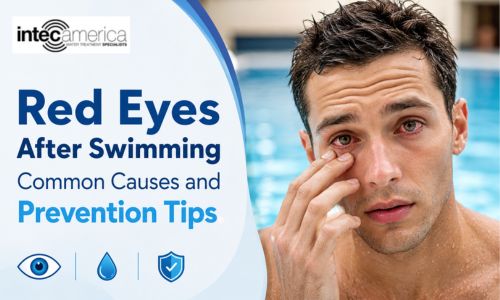
Why Do You Get Red Eyes After Swimming?
Many swimmers experience red eyes after swimming because the protective tear film covering the eyes becomes disturbed. This natural moisture layer keeps the eyes comfortable while protecting them from outside particles. When pool chemicals interact with this layer, dryness begins to develop.
Another common reason is chloramines. These compounds form when chlorine reacts with sweat, body oils, urine, cosmetics. Chloramines irritate sensitive tissues much more than properly balanced chlorine. They often create stronger odors while increasing eye discomfort.
Poor pool water chemistry also plays a major role. Incorrect pH levels make disinfectants less effective while increasing irritation. Swimmers may notice burning sensations, watering, blurry vision, mild discomfort after leaving the pool.
People with sensitive eyes often experience chlorine eye irritation faster than others. Long swimming sessions also increase exposure which makes symptoms more noticeable.
Common Causes of Red Eyes After Swimming
Several conditions contribute to eye discomfort inside swimming pools. Identifying these causes helps reduce future irritation.
| Cause | How It Affects Your Eyes | Prevention |
|---|---|---|
| High Chlorine Concentration | Removes the natural tear film, causing dryness and irritation. | Maintain proper sanitizer levels. |
| Chloramines | Increase burning, redness, and eye discomfort. | Improve water sanitation to reduce chloramines. |
| Poor pH Balance | Makes pool water more irritating to the eyes. | Test and balance pool water regularly. |
| No Swimming Goggles | Direct exposure to pool chemicals increases irritation. | Wear quality swim goggles. |
| Long Swimming Sessions | Extended exposure increases eye dryness and discomfort. | Take short swimming breaks. |
| Dirty Pool Water | Contaminants can irritate and inflame the eyes. | Keep pool water properly sanitized. |
High sanitizer levels may result in pool chlorine eyes that feel dry while appearing bloodshot. Many swimmers mistake this for an allergy although improper water balance is often the actual cause.
Another common complaint involves red itchy eyes after swimming after spending several hours inside heavily used pools. Sweat, sunscreen, personal care products combine with chlorine creating irritating compounds that affect the eyes.
Some swimmers also notice eyes irritated after swimming after opening their eyes underwater without goggles. Direct chemical contact increases discomfort while prolonging recovery.
How Does Chlorine Affect Your Eyes?
Chlorine remains one of the most effective disinfectants for swimming pools. It destroys bacteria, viruses, algae that may cause illness. Although necessary for water safety, chlorine can also affect eye comfort when pool chemistry is poorly managed. Healthy tears protect the eye surface. Chlorine slowly removes this protective moisture layer. Once the tear film becomes thinner, dryness develops quickly. Swimmers begin feeling burning, watering, sensitivity to light, irritation.
Many people experiencing chlorine eye irritation also notice blurry vision immediately after leaving the water. Vision usually returns to normal once the eyes recover naturally.Improperly balanced pools increase the likelihood of red irritated eyes after swimming because harsh water continuously contacts sensitive eye tissues. Chloramines create even greater irritation than free chlorine.
Children often develop symptoms faster because they spend more time underwater while rubbing their eyes frequently during swimming activities.Maintaining balanced water chemistry reduces the chance of developing red eyes after swimming in pool while improving overall swimmer comfort.
How to Get Chlorine Out of Your Eyes After Swimming?
Quick treatment helps reduce discomfort and supports faster recovery. Most cases of red, irritated eyes after swimming improve within a short time with proper care. Start by gently rinsing your eyes with clean, fresh water for several minutes to remove any remaining chlorine or chemical residue. Avoid rubbing your eyes, as this can increase irritation and damage the delicate surface of the eye. If dryness continues, use preservative-free lubricating eye drops to restore moisture and relieve discomfort.
If you wear contact lenses, remove them immediately if your eyes become irritated after swimming and clean them thoroughly before wearing them again. Applying a cool, damp cloth over your closed eyelids for a few minutes can also help reduce swelling and soothe irritation. For swimmers who frequently experience chlorine-related eye discomfort, choosing Chlorine Free Pools with advanced sanitization methods can help reduce chemical exposure while maintaining cleaner and healthier water. Seek medical attention if redness lasts longer than 24 hours, severe pain develops, your vision changes or thick discharge appears. In most cases, irritated eyes after swimming recover quickly once chlorine residue is removed and the natural tear film is restored.
How to Prevent Red Eyes After Swimming?
Preventing red eyes after swimming is much easier than treating eye irritation later. Following a few simple habits before during after swimming can protect your eyes while making every swim more comfortable.
1. Wear Swimming Goggles
Swimming goggles create a protective barrier between your eyes pool water. They reduce direct contact with chemicals while helping prevent pool chlorine eyes. Choose goggles that fit properly without allowing water to leak inside.
2. Shower Before Entering the Pool
A quick shower removes sweat, body oils, lotions, cosmetics from your skin. This helps reduce chloramine formation inside the pool which lowers the risk of chlorine eye irritation while improving overall water quality.
3. Keep Pool Water Properly Balanced
Maintaining the correct pH chlorine levels keeps pool water safer for swimmers. Balanced water helps prevent red irritated eyes after swimming while reducing chemical odors caused by excess chloramines.
4. Avoid Rubbing Your Eyes
If your eyes feel uncomfortable after swimming avoid rubbing them. Rubbing increases irritation while making irritated eyes after swimming worse. Instead rinse your eyes gently with clean fresh water.
5. Stay Hydrated Before After Swimming
Drinking enough water helps your body produce healthy tears that naturally protect your eyes. Proper hydration reduces dryness while lowering the chances of developing red itchy eyes after swimming.
6. Use an Advanced Swimming Pool Sanitizer
A high-quality swimming pool sanitizer helps maintain cleaner healthier water with fewer irritating contaminants. Modern sanitation systems reduce chloramine buildup which helps prevent red eyes after swimming in pool while improving swimmer comfort.
Choosing the Right Swimming Pool Sanitizer for Cleaner Safer Water
A high-quality swimming pool sanitizer plays a major role in protecting swimmer health while reducing unnecessary chemical exposure. Traditional chlorine systems provide effective disinfection. However, poor maintenance often leads to chloramine buildup that increases eye irritation. Choosing advanced sanitation technology helps maintain better water quality with lower chemical demand.
Many modern swimming pool sanitation systems combine multiple treatment methods for improved performance. Copper ionization technology works alongside low chlorine levels to control bacteria, algae, microorganisms while reducing excessive chemical use. Better water balance helps minimize chlorine eye irritation while lowering the risk of red eyes after swimming for regular swimmers.
Cleaner water also reduces contaminants that contribute to eyes irritated after swimming after every visit.
A properly maintained sanitation system offers several benefits:
- Cleaner swimming water
- Better water clarity
- Lower chloramine formation
- Reduced chemical odor
- Improved swimmer comfort
- Less eye irritation
- Healthier swimming environment
Investing in the right swimming pool sanitizer creates safer water while making every swimming session more enjoyable.
Recent Blog Posts
- https://www.intec-america.com/blog/how-to-lower-chlorine-in-pools-naturally-and-safely/
- https://www.intec-america.com/blog/how-safe-is-your-pool-tips-for-preventing-waterborne-illnesses/
- https://www.intec-america.com/blog/is-it-time-for-pool-remodeling-recognize-the-signs-explore-solutions/
- https://www.intec-america.com/blog/how-hard-water-affects-your-pool-and-what-to-do-about-it/
- https://www.intec-america.com/blog/tips-to-avoid-costly-pool-maintenance-mistakes/