

Swimming is one of the healthiest physical activities for people of every age. Clean pool water helps protect swimmers from harmful bacteria. Many pools use chlorine as the primary disinfectant because it is effective at keeping water safe. However some people experience skin irritation eye discomfort respiratory issues after spending time in chlorinated water. These reactions are often described as chlorine allergy even though they are usually caused by irritation instead of a true allergic response.
Understanding chlorine allergy helps swimmers recognize early warning signs take preventive steps choose better pool maintenance methods. Learning about pool chlorine allergy symptoms also helps people enjoy swimming without unnecessary discomfort.
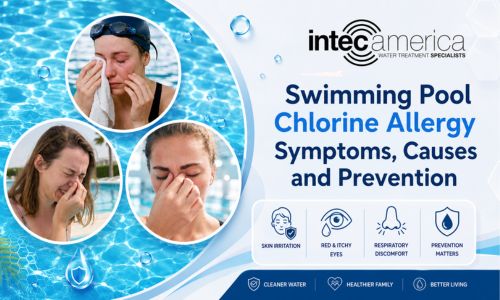
What is a Swimming Pool Chlorine Allergy?
A swimming pool chlorine allergy is a term often used to describe irritation that occurs after swimming in chlorinated pool water. In most cases, it is not a true allergy but a sensitivity to chlorine or chloramines. Chloramines are chemical compounds that form when chlorine reacts with sweat, body oils, urine and other contaminants in the water. This reaction can cause skin irritation, red eyes, a runny nose, coughing, or breathing discomfort, especially in poorly maintained pools.
People with sensitive skin, eczema, asthma, or other respiratory conditions are more likely to experience these symptoms. Children may also be more affected because their skin is thinner and more delicate than that of adults. Many people mistake chlorine sensitivity for a bacterial infection or seasonal allergies because the symptoms can be similar. If the irritation continues or becomes severe, it is best to consult a healthcare professional for a proper diagnosis and appropriate treatment.
Common Symptoms of Swimming Pool Chlorine Allergy
The severity of pool chlorine allergy symptoms varies from one person to another. Some people notice only mild irritation while others experience more significant discomfort after swimming.
The most common symptoms include:
| Symptom | Description |
|---|---|
| Skin Redness | Irritated skin appears red, warm, or itchy after swimming. |
| Dry Skin | Chlorinated water removes natural oils, causing dryness. |
| Skin Rash | Small bumps, patches, or irritation may develop. |
| Burning Eyes | Eyes become red, watery, or uncomfortable. |
| Sneezing | Chlorine fumes may irritate the nasal passages. |
| Coughing | Sensitive individuals may experience coughing after swimming. |
| Wheezing | People with asthma may notice breathing difficulties. |
| Dry Hair | Hair may lose moisture after repeated exposure to chlorinated water. |
People experiencing chlorine allergy often report itching that continues even after leaving the pool. Many also develop a Chlorine Rash, along with irritation around the neck, underarms, and behind the knees, as these areas tend to remain wet for longer periods.
Repeated exposure may worsen allergy chlorine swimming pool reactions especially when pools have poor ventilation or high chloramine levels.
What Causes Swimming Pool Chlorine Allergy?
Several factors contribute to swimming pool chlorine allergy. Chlorine itself is not always responsible. The real cause often involves chloramines which form when chlorine reacts with contaminants introduced by swimmers.
Common causes include:
- High chlorine concentration in pool water.
- Poor pool maintenance.
- Chloramine buildup.
- Sensitive skin.
- Existing eczema.
- Asthma.
- Frequent swimming sessions.
- Poorly ventilated indoor pools.
- Long exposure to chlorinated water.
People with chlorine pool water allergy may react more strongly when chlorine levels exceed recommended limits. Indoor pools often contain more airborne chloramines because of limited ventilation. These compounds irritate the eyes nose throat lungs.
Children elderly swimmers competitive athletes spend more time in pools which increases the chance of allergy from chlorine in swimming pool environments.
How to Prevent Swimming Pool Chlorine Allergy
Preventing swimming pool chlorine allergy starts with a few simple precautions before entering the pool. Showering before swimming helps remove sweat dirt body oils that can react with chlorine. Wearing swimming goggles also protects the eyes from irritation caused by chlorinated water.
Before getting into the pool apply a waterproof moisturizer to create a protective layer on the skin. A swimming cap helps reduce chlorine exposure to the hair scalp. If you often notice pool chlorine allergy symptoms try shortening your swimming sessions to minimize contact with chlorinated water.
After swimming rinse your body thoroughly with clean water to remove chlorine residue. Use a mild cleanser followed by a fragrance free moisturizer to keep your skin hydrated. Drinking plenty of water also supports healthy skin while choosing pools with proper water quality pH balance chlorine levels can help lower the risk of chlorine allergy.
Relief and Treatment for Swimming Pool Chlorine Allergy
When swimming pool chlorine allergy symptoms appear prompt treatment can help reduce discomfort and prevent further irritation. The right treatment depends on the severity of the symptoms and how the body responds to chlorine exposure.
Rinse Immediately
Take a fresh water shower as soon as you finish swimming. This helps remove chlorine residue from the skin before it causes prolonged irritation or dryness.
Moisturize the Skin
Apply a fragrance free moisturizer after bathing to restore lost moisture. Regular moisturizing helps repair the skin barrier and reduces itching caused by chlorine exposure.
Apply Cold Compresses
Place a cold compress on the affected area for a few minutes to soothe the skin. This can help reduce itching redness and mild swelling associated with swimming pool chlorine allergy.
Use Antihistamines
If itching becomes uncomfortable a healthcare provider may recommend antihistamines. These medications can help relieve itching and reduce skin irritation in some cases.
Topical Creams
Hydrocortisone cream may help reduce mild inflammation and skin irritation. Always use medicated creams according to medical advice to avoid unwanted side effects.
Eye Care
Artificial tears can provide relief from burning dryness and irritation after swimming. They help wash away chlorine residue and keep the eyes comfortable.
Medical Evaluation
If symptoms continue or return after every swim consult a dermatologist or allergy specialist. Repeated allergy from chlorine in swimming pool symptoms may be linked to eczema contact dermatitis or another skin condition that requires proper diagnosis and treatment.
People who experience severe breathing difficulty facial swelling or signs of a serious allergic reaction should seek immediate medical attention without delay.
How to Choose the Right Swimming Pool Sanitization System
Choosing the right pool sanitization system can help reduce skin irritation while maintaining clean and healthy water. Modern swimming pools use advanced technologies that improve swimmer comfort without compromising water quality. Saltwater pools produce chlorine at lower consistent levels making them a preferred option for many people with swimming pool chlorine allergy. Copper Ionization is another effective water treatment method that helps reduce the amount of chlorine needed while maintaining clean pool water.
UV sanitation systems eliminate bacteria and other harmful microorganisms while reducing chloramine formation which is often responsible for skin and eye irritation. Ozone systems also work alongside chlorine allowing lower disinfectant levels without affecting water safety. Automated chemical controllers maintain balanced pH and chlorine levels helping prevent excessive chemical exposure.
Regular filtration proper water circulation and frequent water testing are essential for maintaining a healthy swimming environment. Professional pool maintenance keeps disinfectant levels within the recommended range which reduces allergy chlorine swimming pool concerns. When selecting a public swimming facility ask about water testing schedules ventilation maintenance and the sanitization technology used as these factors can help minimize allergy from chlorine in swimming pool reactions.
Recent Blog Posts
- Arsenic Water Contamination: Symptoms, Testing, and Treatment
- Long Term Water Storage System – Guidelines and Treatments Explained
- Pool Chemicals and Their Potential Side Effects
- Thinking About Getting A Mineral Pool: What You Need To Know
- How To Read A Water Quality Report?